

Introduction
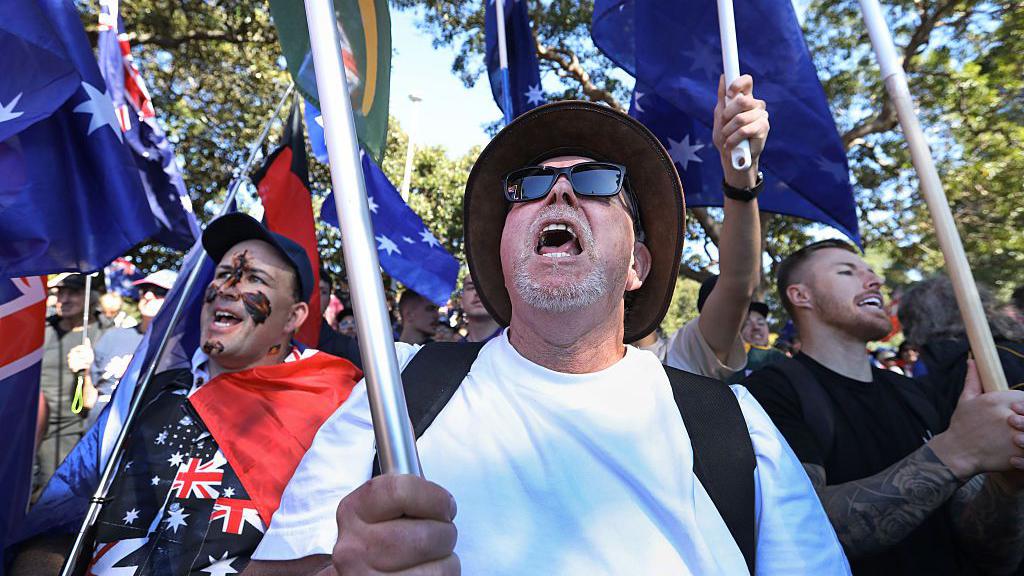
The topic of australian anti immigration protests has gained significant attention in recent years, reflecting a complex mix of economic concerns, cultural debates, and political narratives. These protests are not isolated incidents but part of a broader global trend where migration policies and national identity are being intensely debated.
In this comprehensive guide, we will explore the origins, causes, social and political implications, and future outlook of australian anti immigration protests. Whether you’re a student, researcher, or simply curious about the issue, this article offers deep insights and practical understanding.
Understanding Australian Anti Immigration Protests

What Are These Protests About?
At their core, australian anti immigration protests are public demonstrations expressing opposition to current immigration levels or policies. Protesters often raise concerns about:
-
Job competition
-
Housing shortages
-
Cultural integration
-
National security
These movements can vary widely—from peaceful rallies to politically charged gatherings influenced by broader ideological beliefs.
Historical Context of Immigration in Australia
Australia has long been a nation shaped by immigration. From early European settlement to modern multicultural policies, migration has played a central role in national development.
Key Historical Phases
-
White Australia Policy (1901–1973): Restricted non-European immigration
-
Post-War Migration Boom: Encouraged European immigrants
-
Modern Multicultural Era: Opened doors to global migration
Despite these progressive shifts, resistance has periodically surfaced, leading to what we now see as australian anti immigration protests.
Major Causes Behind the Protests
1. Economic Pressures
One of the biggest drivers of australian anti immigration protests is economic concern.
Key Issues:
-
Rising cost of living
-
Job market competition
-
Wage stagnation
Many protesters believe that high immigration levels increase competition for limited resources.
2. Housing Crisis
Australia has faced a growing housing affordability crisis.
Concerns Include:
-
Increased demand due to migration
-
Rising property prices
-
Rental shortages
These issues often fuel frustration, contributing to australian anti immigration protests across major cities.
3. Cultural Identity and Integration
Cultural concerns are another significant factor.
Some groups argue that:
-
Rapid migration affects traditional values
-
Integration challenges may arise
-
Social cohesion could be impacted
While these views are debated, they remain central to many australian anti immigration protests.
4. Political Influence
Political rhetoric plays a crucial role in shaping public opinion.
-
Certain parties emphasize stricter immigration policies
-
Media narratives can amplify concerns
-
Social media spreads both information and misinformation
These elements collectively intensify australian anti immigration protests.
Key Events and Trends
Recent Protest Patterns
In recent years, australian anti immigration protests have:
-
Increased in frequency
-
Attracted diverse participant groups
-
Gained visibility through online platforms
Urban vs Regional Differences
| Factor | Urban Areas | Regional Areas |
|---|---|---|
| Main Concern | Housing & jobs | Infrastructure strain |
| Protest Frequency | Higher | Moderate |
| Political Influence | Strong media impact | Local leadership influence |
Social Impact of the Protests
Positive Aspects
While controversial, australian anti immigration protests can:
-
Encourage policy discussions
-
Highlight economic challenges
-
Promote civic engagement
Negative Consequences
However, they can also lead to:
-
Social division
-
Increased discrimination
-
Misinformation spread
Balancing free speech with social harmony remains a key challenge.
Government Response and Policies
Immigration Policy Adjustments
In response to public sentiment and australian anti immigration protests, governments have:
-
Reviewed visa programs
-
Adjusted migration caps
-
Focused on skilled migration
Law Enforcement Measures
Authorities ensure protests remain lawful by:
-
Monitoring gatherings
-
Preventing violence
-
Protecting public safety
Media and Public Perception
Role of Media
Media coverage significantly influences how australian anti immigration protests are perceived.
-
Sensational headlines can escalate tensions
-
Balanced reporting fosters understanding
Social Media Influence
Platforms like Facebook and X (Twitter) amplify:
-
Protest organization
-
Public opinion
-
Viral narratives
This digital environment shapes the future of australian anti immigration protests.
Global Comparison
Australia is not alone in experiencing such movements.
Similar Trends Worldwide
Countries like:
-
United States
-
United Kingdom
-
Germany
have also seen anti-immigration protests driven by similar concerns.
Expert Insights
What Experts Say
Policy analysts and sociologists suggest:
-
Immigration debates often reflect deeper economic issues
-
Data-driven discussions are essential
-
Long-term planning is key to reducing tensions
Expert Tips for Understanding the Issue
-
Look beyond headlines: Analyze data and reports
-
Understand both perspectives: Economic vs humanitarian views
-
Avoid misinformation: Verify sources
-
Focus on solutions: Not just problems
Future Outlook
What Lies Ahead?
The future of australian anti immigration protests will likely depend on:
-
Economic stability
-
Housing policy reforms
-
Government transparency
-
Public awareness
Possible Scenarios
-
Increased Protests: If economic pressures continue
-
Policy Reforms: Leading to reduced tensions
-
Stronger Dialogue: Encouraging balanced perspectives
FAQs
1. What causes australian anti immigration protests?
They are mainly driven by economic concerns, housing shortages, cultural debates, and political narratives.
2. Are these protests common in Australia?
Yes, australian anti immigration protests have become more visible in recent years, especially in urban areas.
3. Do these protests affect government policies?
They can influence public debate and sometimes lead to policy reviews or adjustments.
4. Are all protests violent?
No, most australian anti immigration protests are peaceful, though some may become tense.
5. How can people stay informed?
By following credible news sources, government reports, and expert analysis.
Conclusion
The rise of australian anti immigration protests reflects a complex intersection of economic realities, cultural identity, and political discourse. While these protests highlight genuine concerns for some, they also risk deepening social divides if not addressed thoughtfully.
Understanding the root causes and engaging in informed, respectful dialogue is essential for moving forward. Governments, communities, and individuals all have a role to play in shaping a balanced approach to immigration—one that supports economic growth while maintaining social harmony.
As Australia continues to evolve as a multicultural nation, the conversation around immigration must remain grounded in facts, empathy, and long-term vision.
Read More:-